US-192
28.304341,
-81.4008011
Why Traffic on US-192 Changes So Quickly Near Orlando Attractions
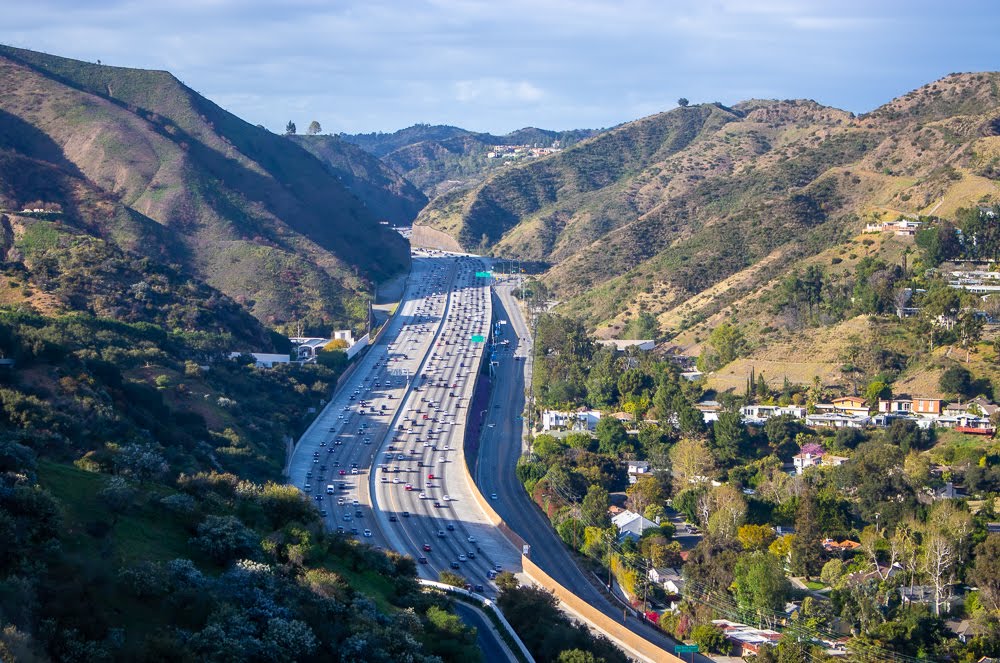

Traffic and incident information on US-192 comes from multiple reporting systems and is shaped by tourism volume, dense commercial access points, temporary road restrictions, and time-based traffic surges. Conditions along this corridor often change within minutes, even when no crash occurs. Drivers may encounter sudden slowdowns that appear and disappear without warning. Understanding why US-192 traffic changes so quickly helps drivers interpret alerts and make sense of what they see on the road.
The sections below explain the most common patterns and reporting factors that cause rapid traffic shifts near Orlando attractions.
1. Attraction Arrival Waves Create Sudden Volume Spikes
US-192 traffic changes rapidly because large numbers of vehicles arrive at attractions during short windows. Theme parks, dinner shows, and entertainment venues draw guests at similar times. These arrivals overwhelm turn lanes and signals almost instantly.
Once arrivals slow, traffic often clears just as fast. Traffic systems may still show congestion after flow improves, creating confusion for drivers.
Orlando attraction traffic does not taper gradually. Guests often leave parks, shows, or events at the same time. Traffic reverses direction within minutes, shifting congestion from inbound to outbound lanes.
Drivers traveling against the surge may see open lanes while traffic alerts still show delays. This mismatch reflects timing, not error.
3. Commercial Entrances Interrupt Traffic Without Warning
US-192 includes frequent driveways serving hotels, restaurants, and retail centers. Vehicles slow or stop to turn left or right, even during heavy flow. These interruptions ripple backward through traffic.
Because no incident occurs, no report appears. Systems still detect slower speeds and flag sudden congestion that US-192 drivers may not expect.
4. Closely Spaced Signals Prevent Gradual Recovery
Traffic signals along US-192 sit close together near attraction zones. When one intersection backs up, the next often fills before clearing. Congestion spreads across multiple blocks rapidly.
Once signals reset and demand drops, traffic recovers just as quickly. This on-off pattern defines theme park area traffic.
5. Shuttle Buses Cause Short but Intense Slowdowns
Shuttle buses operate continuously between hotels and attractions. They stop often and reenter traffic with limited acceleration space. Following drivers brake sharply, compressing traffic behind them.
These slowdowns usually last a few minutes. Traffic alerts may appear even though lanes remain open.
6. Rideshare Pickups Alter Lane Behavior
Rideshare vehicles frequently pull over near attraction entrances and hotels. These stops disrupt traffic flow, especially in curbside lanes. Drivers behind them change lanes suddenly, triggering chain reactions.
No formal report follows. Traffic systems still register abrupt speed changes.
7. Navigation Apps Redirect Overflow Traffic
Navigation apps reroute drivers from congested highways onto US-192. This overflow adds volume quickly, especially during peak attraction times. Many redirected drivers are unfamiliar with the corridor.
Hesitation and sudden lane changes increase congestion. Once rerouting ends, traffic often improves rapidly.
8. Weather Changes Affect Speed Immediately
Central Florida weather shifts fast. Rain reduces visibility and traction, prompting drivers to slow down at the same time. Traffic systems detect congestion even without incidents.
When rain lightens, speeds recover quickly. Alerts may lag behind actual conditions.
9. Pedestrian Activity Near Attractions Slows Traffic
US-192 supports heavy pedestrian movement near hotels, dining areas, and entertainment venues. Vehicles stop for crosswalks and bus loading zones. Traffic stacks up behind them.
These delays clear quickly but occur often. Drivers may misinterpret them as accidents.
10. Limited Shoulder Space Amplifies Minor Disruptions
Many sections of US-192 lack wide shoulders. Disabled vehicles, delivery stops, or enforcement activity reduce usable space. Drivers slow as lanes narrow visually.
These events may never appear in accident reports. Traffic systems still flag reduced speeds.
11. Construction Adjustments Change Traffic Patterns Daily
Road work along US-192 rarely closes the corridor but often shifts lanes or reduces widths. These adjustments alter driver behavior. Congestion appears faster than expected during busy periods.
Actual delay length depends on volume, not posted notices. Drivers may see rapid changes from day to day.
For verified construction updates and lane information, drivers can consult the Florida 511 traffic system at https://fl511.com.
12. Law Enforcement Activity Creates Temporary Bottlenecks
Traffic stops, roadside assistance, or investigations near attractions draw driver attention. Vehicles slow as drivers change lanes or rubberneck. Congestion forms quickly.
Once the activity ends, traffic usually clears within minutes. Alerts may persist longer than the disruption.
13. Tourist Driving Patterns Increase Stop-and-Go Flow
Visitors unfamiliar with the area hesitate near signs, entrances, and signals. Sudden braking disrupts traffic behind them. This behavior repeats throughout the day.
Because it involves no incident, no report appears. Drivers still experience rapid traffic changes.
14. Time-of-Day Shifts Alter Corridor Behavior
US-192 behaves differently by hour. Morning hotel departures differ from midday attraction travel. Evening dining traffic differs from late-night returns.
Drivers who recognize these tourist traffic patterns interpret alerts more accurately. Context explains many sudden changes.
15. Reporting Delays Affect What Drivers See
Traffic data relies on speed detection and confirmation. Minor issues may clear before posting. Other alerts remain after the flow improves.
This delay explains why drivers sometimes encounter clear roads despite congestion alerts. Checking more than one source reduces confusion.
Systems require verification before removal. Updates occur in cycles, not instantly. This process favors accuracy over immediacy.
US-192 traffic changes quickly near Orlando attractions because of volume, access points, and driver behavior shifts within short timeframes. Many slowdowns reflect normal corridor dynamics rather than incidents. Drivers benefit from understanding these patterns and from checking multiple verified sources when reviewing traffic conditions.
Awareness of how and why traffic changes supports calmer decisions and safer travel along US-192. For more information about how traffic changes on US-192 near Orlando attractions, get in touch with us by filling out our contact form on our website.
Accidents currently listed on us192accidents.com
12 accidents in 2022