US-192
28.304341,
-81.4008011
How Road Design Shapes Driving Patterns on US-192
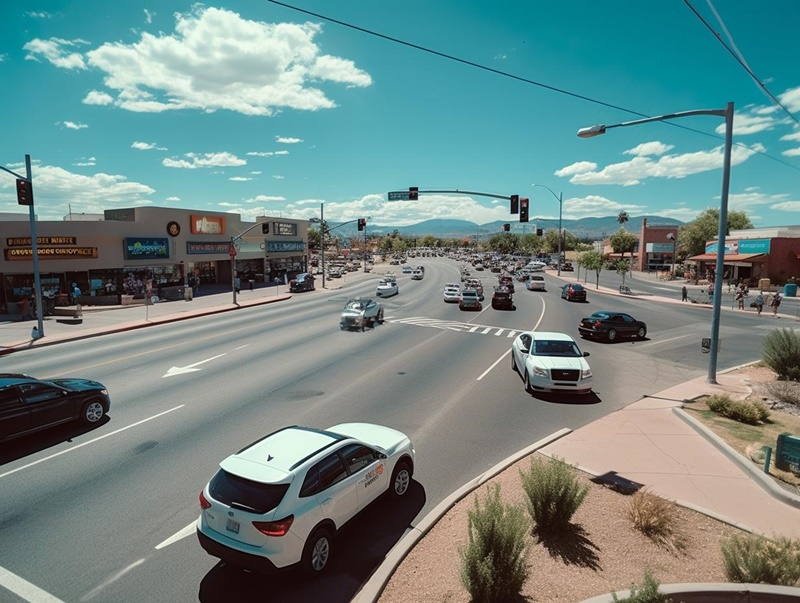

Traffic and incident information on US-192 comes from multiple sources and reflects tourism volume, commercial access density, local road changes, and predictable time-based surges. Because the corridor serves both local travel and regional tourism, roadway design plays a direct role in how traffic forms, slows, and recovers. Many backups occur without crashes or lane closures. Understanding how US-192 road design influences traffic flow helps drivers interpret alerts and better judge what they are seeing on the roadway.
Below are the primary roadway design factors that shape real-time driving conditions on US-192.
1. A Commercial Corridor Built for Access Rather Than Through Movement
US-192 was developed to support retail, dining, lodging, and entertainment access. The roadway prioritizes frequent entry and exit over uninterrupted travel. Driveways, parking lot entrances, and service roads appear every few hundred feet.
This design produces constant speed variation. Traffic reports often show congestion even when vehicles continue moving.
2. High Density of Signalized Intersections
Signalized intersections appear at short intervals along much of US-192. When traffic queues at one signal, the next intersection fills quickly. Vehicles can block cross streets before signals cycle.
Traffic systems detect slower speeds across several blocks. Congestion alerts may appear larger than the actual backup.
3. Closely Spaced Signals Reduce Recovery Time
Short distances between traffic lights limit how quickly vehicles regain speed. Even after a green signal, traffic may reach the next red almost immediately. This pattern creates repeated stops.
Speed data reflects sustained delay. Drivers may assume an incident ahead when none exists.
4. Frequent Turn Lanes Interrupt Through Traffic
Left and right turn lanes appear throughout the corridor. Vehicles slow early to enter turn lanes, affecting adjacent lanes. Drivers behind often brake in response.
These movements compound during busy periods. Traffic buildup can occur without any obstruction.
5. Median Design Restricts Turning Flexibility
Raised medians limit mid-block turning and crossovers. While this improves safety, it reduces options when drivers miss entrances. Vehicles may slow abruptly while repositioning.
Traffic slows behind these maneuvers. Systems record congestion without identifying the cause.
6. Limited Shoulder Space Magnifies Small Disruptions
Many sections of US-192 lack wide shoulders. Disabled vehicles, roadside assistance, or enforcement activity reduce usable roadway width. Passing traffic slows in response.
These events may clear quickly. Traffic alerts can linger longer than conditions.
7. Driveway Spacing Encourages Stop-and-Go Patterns
Driveways are spaced closely along commercial stretches. Vehicles enter and exit continuously throughout the day. This activity creates frequent interruptions in flow.
Stop-and-go conditions appear suddenly. Traffic data reflects behavior rather than volume changes.
8. Pedestrian Crossings Affect Signal Timing
Pedestrian activity remains high near hotels, restaurants, and attractions. Crosswalks trigger signal phases that stop vehicle traffic. Queues form behind stopped lanes.
Once crossings clear, traffic resumes. Delay indicators may remain briefly after recovery.
9. Bus Stops and Shuttle Loading Zones Slow Lanes
Tourist shuttles and transit buses serve US-192 regularly. Some stops require buses to slow or stop within travel lanes. Vehicles behind must brake.
These slowdowns often last only minutes. Traffic systems may capture the delay without context.
10. Lane Width Variations Change Driver Behavior
Lane widths vary across different segments of US-192. Narrower lanes near dense commercial areas cause drivers to reduce speed. Wider sections allow smoother flow.
Speed shifts occur without changes in volume. Reports reflect caution rather than congestion.
11. Construction Zones Alter Lane Alignment Without Closures
Construction along US-192 often maintains traffic while shifting lanes. Temporary markings, cones, and barriers change alignment. Drivers hesitate while adjusting.
Traffic slows even when all lanes remain open. Reports may not explain the design change.
For current roadway projects and configurations, drivers can consult the Florida Department of Transportation.
12. Intersection Queues Block Nearby Driveways
When intersections back up, queued vehicles block adjacent driveways. Entering and exiting traffic pauses until the queues clear. This effect spreads congestion outward.
Traffic sensors detect reduced movement across multiple access points. Drivers may misread the source.
13. Short Distances Between Commercial Anchors Increase Turning Demand
Large shopping centers and resorts sit close together along US-192. Vehicles often move only short distances before turning again. Through traffic competes with local circulation.
This pattern creates uneven speeds. Congestion may appear sporadic rather than continuous.
14. Limited Dedicated Turn Storage During Peak Periods
Some turn lanes lack sufficient storage length during busy hours. Vehicles spill back into through lanes while waiting to turn. This reduces available capacity.
Traffic slows even though lanes appear open. Alerts may show sudden congestion without warning.
15. Mixed Driving Experience Levels Affect Flow
US-192 serves daily commuters and unfamiliar visitors. Locals anticipate signals and entrances. Visitors are slow to read signs or locate destinations.
The mix increases speed variation. Traffic conditions shift quickly without volume changes.
16. Design Encourages Short Trips Over Long Travel
The roadway supports short trips between nearby destinations. Vehicles enter and exit frequently. Long-distance drivers face repeated interruptions.
Traffic flow remains uneven. Reports often reflect circulation patterns rather than incidents.
17. Enforcement Activity Has Outsized Impact
Traffic enforcement along narrow sections affects driver behavior. Vehicles slow noticeably when enforcement is present. Lanes may constrict due to limited shoulder space.
These slowdowns appear as congestion spikes. They usually resolve once the activity ends.
18. Weather Interacts With Roadway Layout
Rain affects visibility near closely spaced entrances and signals. Drivers reduce speed more sharply on narrow or curved sections. Water pooling near medians or turn lanes worsens hesitation.
Traffic data reflects caution rather than blockage. Conditions improve as the weather clears.
19. Access Roads and Service Lanes Feed Main Lanes
Service roads connect businesses to US-192 at multiple points. Vehicles merge frequently from these access lanes. Mainline traffic slows to accommodate merges.
Congestion appears near these merge points. Reports may not identify them specifically.
20. Traffic Reporting Reflects Design Limits, Not Intent
Traffic systems measure speed and volume but not driver intent. Roadway layout strongly influences what data shows. Design-related slowdowns appear the same as incident delays.
Drivers who understand design effects interpret alerts more accurately. Not every slowdown signals a problem ahead.
Contact a US-192 Lawyer
Driving conditions on US-192 are shaped as much by roadway design as by traffic volume or incidents. Frequent access points, dense intersections, limited shoulders, and a commercial-focused layout cause rapid and sometimes confusing changes in traffic flow. These design features explain why US-192 traffic congestion can appear suddenly and clear just as quickly.
Reviewing multiple verified sources and understanding how the roadway functions helps drivers make sense of real-time traffic information along US-192. For more information about how road design shapes driving patterns on US-192, get in touch with us by filling out our contact form on our website.
Accidents currently listed on us192accidents.com
12 accidents in 2022