US-192
28.304341,
-81.4008011
What Makes Traffic Flow Unpredictable on US-192 in Central Florida
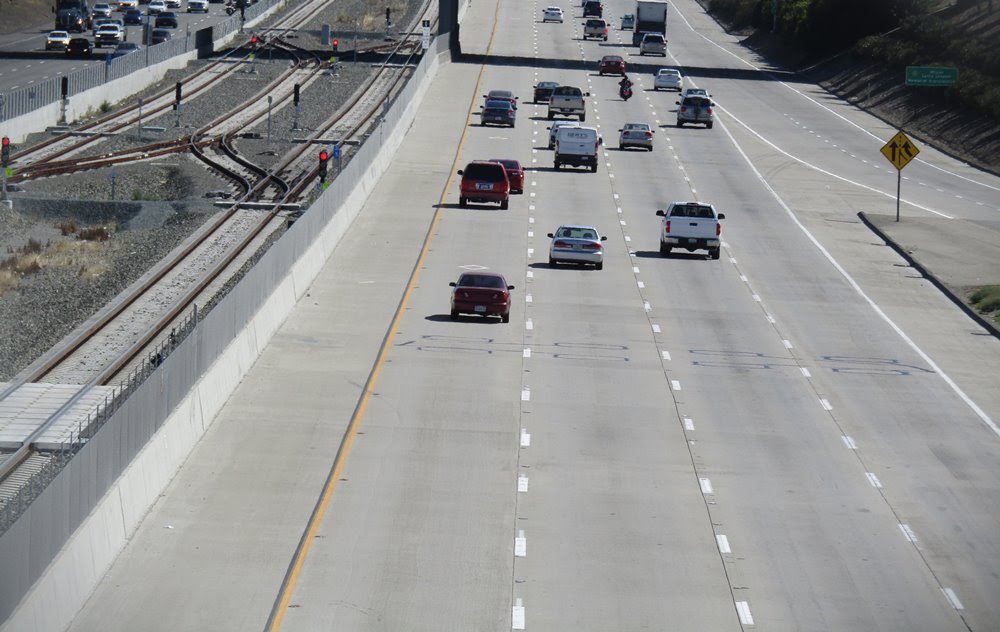

Traffic and incident information on US-192 comes from multiple sources and reflects tourism volume, commercial access density, local roadway changes, and time-based traffic surges. Because the corridor serves residents, workers, and visitors at the same time, driving conditions can change quickly. Many roadway delays form without crashes, lane closures, or visible hazards. Understanding why traffic behaves this way helps drivers interpret alerts and judge real conditions more accurately while traveling through Central Florida.
Below are the primary factors that make traffic flow on US-192 unpredictable.
Tourism Demand That Fluctuates by the Hour
US-192 traffic changes often reflect visitor activity rather than fixed commuting schedules. Theme parks, hotels, and attractions generate waves of arrivals and departures throughout the day. These surges can begin or end within short timeframes.
Traffic can slow before systems register the change. Drivers may encounter congestion before alerts appear.
Overlap Between Commuters and Visitors
Local commuters and first-time visitors share the roadway. Residents anticipate signals and turning points, while visitors are slow to confirm directions. This mix produces uneven speeds.
Even steady traffic volumes feel unstable. Minor hesitation spreads quickly through traffic.
Dense Commercial Access Along the Corridor
US-192 functions as a continuous commercial strip. Vehicles enter and exit driveways constantly. Each entry interrupts the flow of through traffic.
Short slowdowns repeat often. Congestion builds without a single clear cause.
Closely Spaced Traffic Signals
Traffic signals appear at short intervals along much of US-192. When vehicles queue at one light, backups spill into adjacent intersections. Turning lanes fill faster than expected.
Congestion expands quickly. Alerts may reference delays beyond the visible slowdown.
Signal Timing That Changes by Time of Day
Signal timing adjusts to expected traffic patterns. Morning, midday, and evening settings differ. Unexpected surges overwhelm these schedules.
Traffic slows until timing adapts. Drivers rarely see explanations in traffic reports.
Limited Distance Between Stops
Vehicles often travel only a short distance before stopping again. Even after clearing one intersection, traffic may halt at the next signal. This pattern creates rolling congestion.
Speed data reflects delay even without blockages. Drivers may assume an incident exists.
Pedestrian Activity Near Attractions
Hotels, restaurants, and entertainment venues generate steady pedestrian crossings. Signals stop vehicle traffic frequently. Queues form quickly behind stopped lanes.
Traffic resumes after crossings clear. Delay indicators may lag behind recovery.
Shuttle Buses and Tour Vehicle Stops
Shuttle buses operate throughout the corridor. Some stops occur close to travel lanes. The following vehicles must brake or change lanes.
These slowdowns appear suddenly. Traffic reports rarely identify transit activity.
Construction Zones That Alter Driver Behavior
Roadwork often modifies lanes while keeping traffic open. Temporary markings confuse unfamiliar drivers. Many are slow to adjust.
Congestion forms even when lanes remain available. Reports may not explain the design change.
For current construction and roadway updates, drivers can consult the Florida Department of Transportation at https://www.fdot.gov.
Weather Effects Amplified by Corridor Design
Rain reduces visibility near dense signage and intersections. Drivers brake earlier and accelerate more slowly. Water pooling near turn lanes increases hesitation.
Traffic slows without incidents. Conditions improve once the weather clears.
Enforcement Presence Alters Speeds Quickly
Traffic enforcement changes driver behavior immediately. Vehicles slow noticeably near patrol activity. Narrow lanes intensify the effect.
Congestion spikes briefly. It often clears once enforcement moves.
Parallel Roads Feeding Into Main Lanes
Service roads and hotel access lanes feed into US-192. Vehicles merge frequently into main lanes. Through traffic slows to accommodate entry.
Delays cluster near merge points. Reports rarely specify these sources.
Incident Detection Lags Behind Conditions
Traffic systems rely on sensors and user reports. Data updates after speed changes occur. Short disruptions may resolve before alerts clear.
Drivers may see outdated information. Road conditions may already differ.
Traffic Data Shows Speed, Not Behavior
Sensors measure movement, not hesitation or confusion. Design-related slowdowns appear similar to incidents. Alerts lack context.
This limitation adds uncertainty. Drivers must interpret information carefully.
Compounding Effects of Small Disruptions
On US-192, several minor factors often occur at once. Turning traffic, pedestrians, signals, buses, and weather overlap. Together, they create sudden congestion.
Traffic flow changes quickly. The source may never seem obvious.
Evening Activity After Attractions Close
Evening traffic shifts as parks and venues close. Large volumes exit parking areas at once. Signals struggle to clear queues efficiently.
Congestion appears later than typical rush hours. Alerts may underestimate duration.
Weekend Patterns Differ From Weekdays
Weekends bring different traffic rhythms. Shopping, dining, and short trips increase. Traditional commute patterns fade.
Drivers experience unpredictable slowdowns. Reports may rely on weekday assumptions.
Contact a US-192 Lawyer
Unpredictable traffic on US-192 results from layered design features, tourism demand, and reporting limits. Fluctuating traffic flow often develops without crashes or closures, then clears just as quickly. Drivers who understand Central Florida traffic variability can better interpret alerts and adjust expectations. Checking multiple verified sources remains the most reliable way to assess roadway delays along this busy corridor.
For more information about traffic flow on US-192, get in touch with us by filling out our contact form on our website.
Accidents currently listed on us192accidents.com
12 accidents in 2022