
US-192
28.304341,
-81.4008011
How Commercial Driveways Affect Traffic Movement on US-192
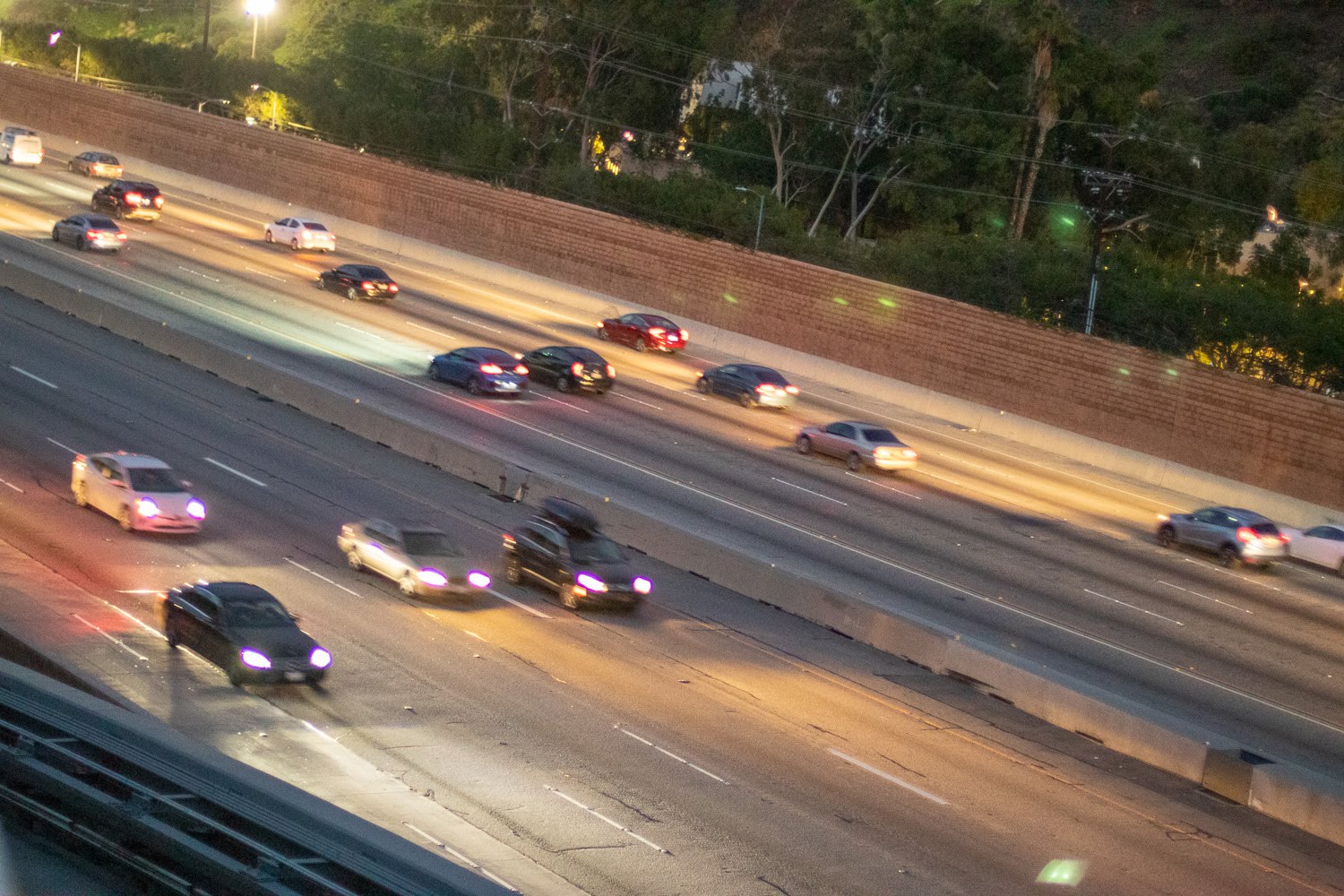

Traffic and incident information on US-192 comes from several sources and reflects tourism volume, commercial access density, local roadway changes, and time-based traffic surges. Along this corridor, roadside businesses line long stretches of the roadway and rely on direct driveway access. These access points shape how traffic slows, compresses, and recovers throughout the day. Because many disruptions stem from routine turning movements rather than crashes, traffic alerts may appear sudden or unclear. Understanding how commercial driveways influence traffic movement helps drivers interpret real-world conditions and traffic reports more accurately.
Below are the primary ways commercial driveways affect traffic flow on US-192.
Why Commercial Driveways Create Constant Speed Fluctuations
Commercial driveways on US-192 introduce frequent interruptions to through traffic. Vehicles slow to turn into parking lots, then decelerate again to exit back onto the roadway. Each turning movement forces nearby drivers to adjust speed and spacing.
These adjustments occur repeatedly across short distances. Drivers may encounter several driveway entrances within one signal block. Traffic rarely reaches a steady pace in these areas. Even when volumes remain moderate, constant braking and acceleration create the appearance of congestion.
Speed changes also vary by lane. Right lanes slow more often due to turning vehicles, while left lanes fluctuate as drivers merge away from driveway activity. Traffic systems register these speed drops but cannot identify turning behavior as the source. As a result, reports often show delays without a visible incident.
How Turning Traffic Delays Ripple Through Nearby Lanes
Turning traffic delays rarely stay limited to a single driveway. When one vehicle slows to turn, the following driver brakes. That reaction spreads backward through the lane within seconds. Nearby lanes often slow as drivers anticipate sudden stops or lane changes.
These ripple effects grow quickly during peak periods. In tourist-heavy areas, drivers leave wider gaps and react more cautiously. This behavior increases the length of the slowdown, even after the turning vehicle clears the driveway.
By the time traffic sensors detect reduced speeds, the original turn may already be complete. Drivers approaching the area often encounter lingering congestion with no obvious cause ahead. This mismatch between cause and effect explains why traffic on US-192 can feel unpredictable.
Why do slowdowns persist after the turn ends?
Traffic does not return to normal speed immediately. Drivers accelerate gradually and maintain larger following distances. In dense traffic, these delays compound across multiple vehicles.
The Role of Closely Spaced Driveways in Sustained Congestion
Many commercial driveways on US-192 sit close together. Vehicles barely regain speed before encountering another entrance or exit. This spacing prevents traffic from stabilizing between access points.
Drivers experience rolling slowdowns instead of a single bottleneck. One driveway clears as another begins to back up. Traffic data reflects ongoing delay, even though no individual entrance appears blocked.
This pattern explains why congestion often stretches across long segments of the roadway. The issue lies in cumulative access activity rather than one specific location. For drivers unfamiliar with the corridor, these conditions feel sudden and difficult to predict.
Closely spaced driveways also increase lane friction. Vehicles weave to avoid turning traffic, while others slow to search for entrances. These overlapping movements reduce overall traffic efficiency and contribute to fluctuating flow.
How Driveway Congestion Interacts With Traffic Signals
Driveway congestion frequently interacts with nearby traffic signals on US-192. Vehicles waiting to turn into businesses may block through lanes or spill into turn pockets. When queues extend, they interfere with signal operations.
A green light may not clear traffic fully if driveway backups restrict movement. Vehicles hesitate or stop mid-block, preventing the next signal cycle from operating smoothly. Congestion then spills backward into upstream intersections.
Traffic reports often attribute these delays to signal timing. In reality, driveway access creates the restriction. Drivers may see a green light ahead, but still encounter stopped traffic due to blocked lanes between intersections.
What reporting systems capture
Traffic systems measure speed and queue length. They do not record driveway interference. As a result, reports describe congestion without explaining its origin.
Why Tourist-Oriented Businesses Intensify Driveway Disruption
Many roadside businesses along US-192 serve visitors unfamiliar with the area. Drivers slow early while searching for entrances or confirming directions. Others miss driveways and brake suddenly to adjust.
Hesitation increases braking distances and reduces predictability. The following drivers react defensively, which extends slowdowns. Even low traffic volumes can feel congested during peak tourist hours due to uncertain turning behavior.
Rental vehicles and rideshare drivers add to the variability. These drivers often rely on navigation prompts that update late. Sudden lane changes near driveways increase friction and disrupt flow across multiple lanes.
Tourist traffic patterns also vary by time of day. Breakfast, check-in, dining, and evening returns all trigger spikes in driveway use. These surges create repeating congestion windows that reports may not clearly label.
How Commercial Driveways Affect Real-Time Traffic Reporting
Traffic reporting systems rely on speed, volume, and occupancy data. They do not differentiate between crashes, construction, or turning traffic delays. As a result, driveway congestion often appears as unexplained slowdowns.
Short disruptions may trigger alerts that persist after traffic resumes movement. Drivers may assume an incident occurred when routine access activity caused the delay. This misunderstanding leads to confusion and inconsistent route decisions.
Reports also lag behind real conditions. By the time an alert posts, the original driveway backup may have shifted. Drivers relying on a single source may encounter conditions that differ from expectations.
How Driveway Design Shapes Long-Term Traffic Patterns on US-192
Driveway design influences traffic behavior over time. Wide entrances encourage slower turning speeds. Poor sightlines increase hesitation. Closely aligned exits create conflict with through traffic.
Areas with frequent access points develop consistent congestion patterns. These patterns repeat daily and seasonally. Regular commuters recognize them, while visitors experience them as sudden delays.
Roadway layout, business density, and access management decisions all shape how traffic behaves. Reports reflect these outcomes without explaining their source. Drivers who understand the role of commercial driveways gain a better context for what they see on the road.
Commercial driveways play a defining role in traffic movement on US-192. Access points’ traffic impact often appears as fluctuating speeds, lingering delays, and congestion without visible causes. Turning traffic delays, driveway spacing, and roadside business activity shape how traffic builds and how reports appear in real time. Understanding these patterns helps drivers interpret alerts more accurately and adjust expectations. Checking multiple verified sources remains the best way to assess driving conditions along this busy commercial corridor.
For more information about how commercial driveways affect traffic movement on US-192, get in touch with us by filling out our contact form on our website.
Accidents currently listed on us192accidents.com
12 accidents in 2022