US-192
28.304341,
-81.4008011
Why Stop-and-Go Traffic Is So Common on US-192 in Kissimmee
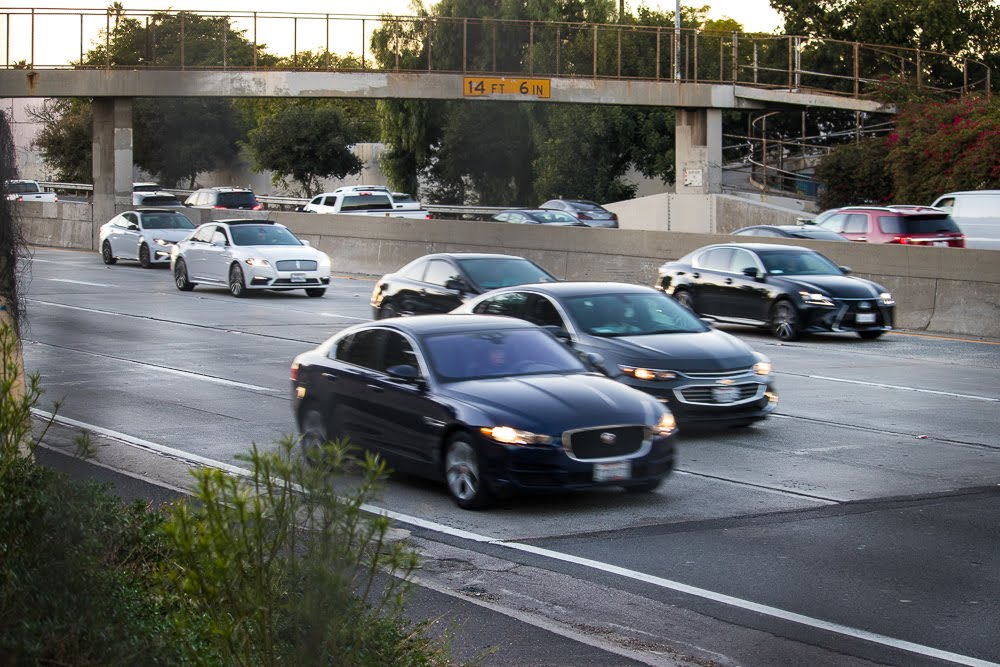

Traffic and incident information on US-192 comes from multiple sources and reflects tourism volume, dense commercial access, local road changes, and time-based traffic surges. In Kissimmee, these factors combine on a roadway that serves visitors, residents, deliveries, and local businesses at the same time. As a result, traffic often shifts between brief movement and sudden braking. Reports and alerts may change quickly, even when no crash appears ahead. Understanding how these conditions develop helps drivers interpret what they see on the road and in traffic updates.
How Closely Spaced Traffic Signals Create Repeated Stop-and-Go Cycles
Traffic signals on US-192 sit close together through much of Kissimmee. Vehicles accelerate from one light only to brake again within a short distance. This pattern produces stop-and-go traffic even when volumes remain steady.
Each signal responds to cross traffic, turning vehicles, and pedestrian phases. When one intersection clears slowly, the next signal receives traffic in uneven waves. Drivers encounter red lights more often than expected, which creates frequent slowdowns that US-192 drivers recognize.
Traffic systems detect these speed changes but cannot show the cause. Reports often list congestion without explaining that signal spacing drives the delay. Drivers may assume an incident occurred when the slowdown reflects normal signal operation.
Why green lights still lead to stops?
A green light does not guarantee movement beyond the intersection. Downstream signals or queues can force drivers to stop again within seconds.
Why Commercial Driveways Interrupt Traffic Flow Between Signals
Commercial access points line both sides of US-192 in Kissimmee. Vehicles are slow to enter parking lots and stop while waiting to exit back onto the road. These movements interrupt traffic between signals and prevent steady speeds.
The right lanes are slow first due to turning traffic. Left lanes are then slowed as drivers merge away from access points. This chain reaction spreads across lanes and reduces overall flow.
Because these disruptions occur constantly, traffic rarely stabilizes. Reports capture reduced speeds but do not identify driveway activity as the source. Drivers often see stop-and-go conditions without visible congestion ahead.
How Tourist Driving Patterns Increase Traffic Variability
US-192 serves a large number of visitors unfamiliar with local roads. These drivers slow early to read signs, search for entrances, or follow navigation prompts. Hesitation increases braking and widens gaps between vehicles.
Rental cars and rideshare vehicles add to this variability. Sudden lane changes near signals or driveways force nearby drivers to react. These reactions amplify small disruptions into noticeable delays.
Tourist travel peaks also vary by time of day. Hotel check-ins, dining hours, and theme park schedules create surges that do not align with commuter patterns. Traffic alerts may change quickly during these windows.
How Turning Movements at Intersections Extend Red-Light Delays
Many intersections on US-192 handle heavy turning volumes. Vehicles wait longer to turn left or right, which reduces the time available for through traffic. Queues then build faster than signals can clear them.
When turning lanes, vehicles block through lanes or hesitate at green lights. This behavior extends stop times even when signals operate normally. Drivers experience repeated starts and stops across multiple cycles.
Traffic reports often describe this as traffic signal congestion. The underlying issue involves turning demand rather than signal failure. Understanding this distinction helps drivers set realistic expectations.
Why Minor Disruptions Create Long Backups During Peak Periods?
During busy periods, traffic on US-192 operates near capacity. Small disruptions then have outsized effects. A single slow turn or late lane change can trigger a wave of braking.
These waves move backward through traffic and persist after the original cause clears. Drivers approaching the area see stopped vehicles without any visible obstruction ahead. Stop-and-go traffic that US-192 commuters often encounter often follows this pattern.
Traffic systems register the slowdown but not its origin. Alerts may remain active longer than the actual disruption. Drivers relying on one source may encounter conditions that differ from reports.
How long do these slowdowns last?
Recovery depends on traffic volume. During peak periods, traffic may not fully recover until volumes drop.
How Construction Zones and Lane Shifts Affect Traffic Rhythm
Periodic construction and maintenance work alter lane alignment and spacing along US-192. Even short-term changes affect driver behavior. Vehicles are slow to adjust to new patterns, signs, or barriers.
Lane shifts reduce comfort and increase caution. Drivers leave larger gaps and accelerate more slowly. These changes reduce throughput and increase the frequency of stops.
Traffic alerts may list construction delays without details. Drivers often encounter stop-and-go conditions beyond the marked work zone due to lingering effects on flow.
How Traffic Data Collection Shapes What Drivers See in Alerts
Traffic data on US-192 comes from sensors, cameras, and user reports. These tools measure speed and volume but do not capture driver behavior. Stop-and-go conditions appear as fluctuating speeds without explanation.
Short delays can trigger alerts that outlast the slowdown. Conversely, brief, clear periods may not register immediately. This lag creates confusion for drivers checking updates.
Frequently Asked Questions about stop-and-go traffic on US-192
Does stop-and-go traffic always cause crashes
No. Most stop-and-go traffic on US-192 results from signals, turning traffic, and volume changes rather than crashes.
Why does traffic slow even outside rush hour?
Tourist travel, deliveries, and commercial access create demand throughout the day. These factors produce Kissimmee traffic delays beyond commuter peaks.
Do traffic apps always reflect the current condition?
Traffic apps rely on recent data. Conditions may change faster than updates, especially during short disruptions.
Stop-and-go traffic on US-192 reflects how signals, commercial access, tourist driving patterns, and traffic volume interact along a busy corridor. These factors create frequent slowdowns that appear and clear quickly, often without visible causes. Traffic reports capture speed changes but not the behaviors behind them. Drivers who understand these patterns can better interpret alerts and roadway conditions. Checking multiple verified sources remains the most reliable way to assess current traffic on US-192 in Kissimmee. For more information about Stop-and-Go Traffic on US-192 in Kissimmee, get in touch with us by filling out our contact form on our website.
Accidents currently listed on us192accidents.com
12 accidents in 2022