
US-192
28.304341,
-81.4008011
How Peak Tourist Hours Impact Driving Conditions on US-192
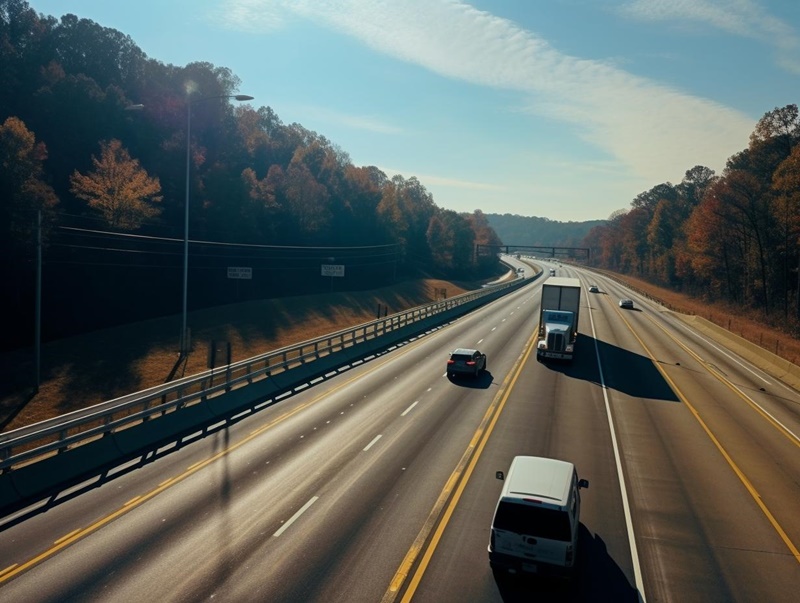

Traffic and incident information on US-192 comes from multiple sources and reflects tourism volume, dense commercial access, local road changes, and time-based traffic surges. In Central Florida, peak tourist hours shape how traffic builds, slows, and clears along this corridor. Conditions can shift quickly without any crash or lane closure. Understanding how visitor activity affects reports and real-world driving helps drivers interpret what they see on the road and in traffic alerts.
Why Tourist Schedules Drive Sudden Traffic Surges on US-192
Peak tourist hours on US-192 align with theme park openings, hotel check-ins, dining periods, and evening entertainment. These schedules create concentrated waves of vehicles entering and exiting the corridor within short time windows. Traffic volumes rise quickly and often exceed what signals and intersections can clear in one cycle.
Unlike commuter traffic, tourist demand does not follow a single direction. Vehicles enter from hotels, vacation rentals, and attractions on both sides of the roadway. This pattern creates Orlando tourism traffic that feels unpredictable and harder to manage. Traffic reports often show congestion forming rapidly, even when conditions looked clear minutes earlier.
How Visitor Traffic Patterns Differ from Daily Commuter Flow
Visitor traffic patterns differ from local driving habits in several ways. Many drivers on US-192 during busy travel periods lack familiarity with the area. They slow earlier, hesitate near intersections, and change lanes late to reach entrances.
These behaviors increase braking and reduce lane efficiency. One driver slowing to locate a turn can affect dozens of vehicles behind them. Reports capture slower speeds but cannot show hesitation or decision-making as the cause. Drivers may expect a crash ahead when the slowdown reflects normal tourist behavior.
Do navigation apps increase these effects?
Navigation prompts often trigger last-second lane changes near attractions and hotels, which adds to traffic instability during peak hours.
Why Peak Tourist Hours Amplify Stop-and-Go Conditions
During high-volume driving times, US-192 operates close to capacity. Small disruptions then create stop-and-go movement instead of a steady flow. A short delay at one signal can ripple through multiple intersections.
Vehicles accelerate briefly and then brake again as queues reform. This pattern repeats until traffic volumes drop. Drivers experience frequent slowdowns on US-192, which is most often during mid-morning, late afternoon, and evening periods tied to tourism activity. Traffic alerts reflect fluctuating speeds but rarely explain why movement feels uneven.
How Commercial Access Compounds Tourist-Related Congestion
US-192 includes a high concentration of restaurants, hotels, retail centers, and entertainment venues. During peak tourist hours, these access points generate constant turning movements. Vehicles are slow to enter parking lots or wait to exit back onto the roadway.
Right lanes slow first, then merging traffic affects adjacent lanes. This process reduces overall throughput during already busy periods. Reports often list general congestion without identifying driveway activity as a contributing factor. Drivers may underestimate how much roadside businesses’ traffic shapes conditions during busy travel periods.
Why Traffic Signals Struggle During High Tourist Demand
Traffic signals along US-192 operate on timing plans designed to balance multiple movements. During peak tourist hours, turning volumes and pedestrian crossings increase at the same time. Signals must serve more demands without longer cycle lengths.
As a result, queues build faster than signals can clear them. Vehicles may wait through multiple cycles before moving. Drivers often notice green lights that still do not allow forward progress. Traffic systems record delays but cannot attribute them to signal demand limits rather than malfunctions.
Can signal timing be adjusted in real time
Some intersections adjust timing based on detected volumes, but sudden surges can still overwhelm available green time.
How Incident Reports Behave Differently During Peak Tourist Hours
Incidents during busy travel periods have wider effects, even when minor. A stalled vehicle or brief lane blockage can disrupt traffic already near capacity. Queues grow quickly and take longer to dissipate.
Traffic alerts may remain active after the incident clears because speeds recover slowly. Conversely, a brief slowdown may trigger an alert that no longer matches conditions by the time drivers arrive. This lag affects how drivers interpret real-time information during peak tourist hours on US-192.
How Data Sources Influence What Drivers See in Traffic Updates
Traffic data on US-192 comes from sensors, cameras, and user-reported information. These sources measure speed and volume but do not capture the reason behind changes. During Orlando tourism traffic peaks, speeds fluctuate rapidly as volumes surge and settle.
Short-lived slowdowns may appear as congestion, while brief clearings may not register immediately. Drivers relying on a single app may see outdated conditions. Reviewing official sources alongside navigation tools provides better context during high-volume driving times.
For official roadway conditions and incident updates in Central Florida, drivers can review the Florida Department of Transportation’s traffic resources. This system shows verified incidents, construction, and congestion reports across the region.
Frequently Asked Questions
- Are peak tourist hours limited to weekends? No. Peak tourist hours occur on weekdays and weekends, depending on park schedules, holidays, and seasonal travel.
- Does traffic always improve after rush hour? Tourist-related demand often extends beyond commuter peaks. Traffic may remain heavy into the evening during busy travel periods.
- Do crashes cause most peak-hour congestion? No. Most congestion during peak tourist hours results from volume, turning traffic, and signal limits rather than crashes.
Peak tourist hours shape driving conditions on US-192 through sudden volume surges, varied driver behavior, and constant commercial access. These factors cause traffic to build and clear quickly, often without a visible incident. Traffic reports reflect speed changes but cannot explain the behaviors behind them. Drivers who understand visitor traffic patterns and data limitations can better interpret alerts and roadway conditions.
Checking multiple verified sources remains the most reliable way to assess conditions on US-192 during busy travel periods. For more information about how peak tourist hours impact driving conditions on US-192, get in touch with us by filling out our contact form on our website.
Accidents currently listed on us192accidents.com
12 accidents in 2022