US-192
28.304341,
-81.4008011
What Drivers Notice First When Entering Busy Sections of US-192
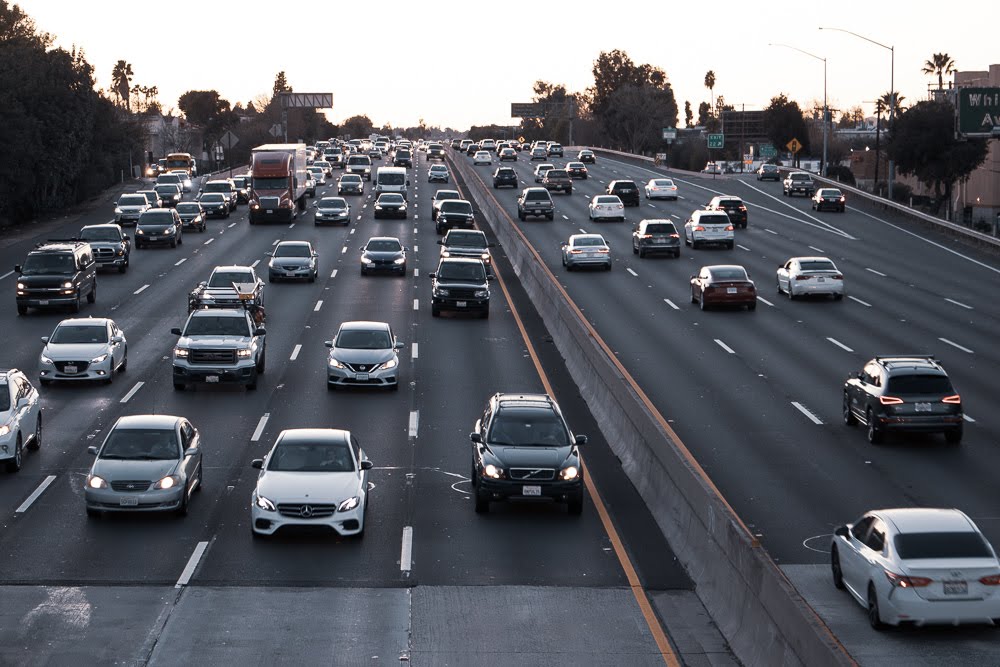

The traffic landscape of US-192 is a volatile ecosystem, shaped by the friction between local infrastructure and the relentless ebb and flow of international tourism. Unlike standard highways, this corridor functions as a high-density artery where traffic data isn’t just a reflection of volume, but a complex intersection of dense commercial access, shifting road geometries, and acute, time-sensitive surges.
As motorists navigate this stretch, they experience a jarring transition: rural or residential pockets rapidly dissolve into high-intensity tourist zones. In these “threshold areas,” speed, vehicle spacing, and driver behavior undergo a radical shift, often resulting in phantom congestion that forms even in the absence of a recorded accident or lane closure. By analyzing these early-warning indicators and the sensory cues drivers first encounter, we can better understand the mechanics of rapid-onset congestion and why digital traffic alerts often struggle to keep pace with the real-time volatility of the road.
Speed drops that feel sudden rather than gradual
Drivers entering busy roadways on US-192 often notice an abrupt reduction in speed. Traffic may flow smoothly for several blocks and then compress within a short span. This change usually signals entry into a traffic transition zone rather than a single disruption.
Commercial activity increases sharply in these areas. Turning vehicles, frequent signals, and merging traffic reduce available space and force drivers to brake sooner. Traffic systems record the speed drop but cannot show the underlying cause. Drivers may assume an incident exists ahead when the slowdown reflects normal roadway design and usage.
Increased lane changes near roadway entry points
Another early sign involves a rise in lane changes as drivers approach active commercial sections. Vehicles shift lanes to reach turn lanes, avoid slower traffic, or follow navigation prompts. These movements intensify near hotels, restaurants, and shopping centers.
Each lane change triggers a reaction from surrounding drivers. Braking and hesitation spread across lanes and reduce overall flow. Traffic alerts reflect lower speeds but not the merging behavior that caused them. For many drivers, this pattern marks the first clear signal that they have entered a busier section of US-192.
Why do lane changes cluster in short stretches
Closely spaced access points concentrate decisions into limited roadway space, which forces rapid adjustments.
Traffic signals that interrupt momentum more often
Drivers also notice that traffic signals appear closer together in busy sections. Vehicles accelerate from one light only to encounter braking again almost immediately. This repeated interruption creates uneven movement even before congestion becomes obvious.
Signals must serve cross traffic, pedestrians, and heavy turning volumes. In commercial zones, queues build faster than signals can clear them. Drivers may face green lights that still fail to release traffic fully. Reports often describe this as traffic signal congestion without explaining the demand driving the delay.
Turning vehicles that slow through lanes
Turning traffic becomes more visible as drivers enter sudden congestion areas. Vehicles slow to enter driveways or pause while waiting to turn across traffic. These actions interrupt flow between intersections and prevent steady speeds.
Right lanes experience the slowdown first, followed by left lanes as drivers merge away from turning vehicles. This chain reaction spreads quickly across the roadway. Traffic systems detect reduced speeds but cannot identify driveway activity as the source. Drivers often see no blockage ahead yet experience persistent delay.
Driver behavior changes tied to visitor traffic
Visitor traffic patterns shape how busy sections of US-192 feel to incoming drivers. Many drivers slow earlier to read signs, locate entrances, or confirm directions. Hesitation becomes more noticeable as traffic density increases.
Rental cars and rideshare vehicles add variability. Sudden lane changes or braking near attractions force nearby drivers to react. These reactions amplify small disruptions into visible congestion. Driver awareness of traffic changes often begins with inconsistent speeds rather than stopped vehicles.
Visual and environmental cues that signal congestion
Busy sections of US-192 look and feel different before traffic stops. Drivers notice more signage, lighting, pedestrians, and roadside activity. Visual density increases and competes for attention.
This environment encourages cautious driving. Vehicles leave larger gaps and accelerate more slowly. While these behaviors reduce risk, they also lower roadway capacity. Traffic reports capture slower speeds but cannot show how environmental cues influence driver decisions.
Data timing differences between roadway conditions and alerts
Drivers often notice a mismatch between roadway conditions and traffic app reports when entering busy areas. Conditions may worsen before alerts appear or improve while warnings remain active. This gap reflects how traffic data collection works.
Sensors, cameras, and user reports measure speed and volume at intervals. Rapid changes in traffic transition zones may not register immediately. Short slowdowns can trigger alerts that persist after conditions improve. Drivers should expect brief inconsistencies between real-world conditions and reported updates.
For confirmed roadway conditions and verified incident updates across Central Florida, drivers can consult the Florida Department of Transportation’s traffic information system. This source provides official reports that help clarify changing conditions along US-192.
Frequently asked questions about entering busy sections of US-192
Do sudden slowdowns always indicate a crash ahead
No. Most sudden slowdowns reflect signals, turning traffic, and commercial access rather than incidents.
Why does traffic worsen in specific stretches
Commercial density and roadway entry points concentrate activity into short segments, which magnifies congestion.
Can traffic improve quickly after entering a busy zone
Yes. Once turning demand drops or access points thin, traffic often recovers without warning.
Why understanding these early signs helps drivers on US-192
Traffic flow on US-192 changes quickly as drivers move between low-density segments and high-activity commercial zones. Speed drops, lane changes, frequent signals, and turning vehicles usually provide the first indicators of a busy section. Visitor driving patterns and environmental cues further shape how congestion develops, while traffic reports reflect only part of the picture. Drivers who recognize these early signs can better interpret what they see on the road and in traffic alerts. Checking multiple verified sources remains the most reliable way to assess current driving conditions on US-192 in Central Florida. For more information about busy sections of US-192, get in touch with us by filling out our contact form on our website.
Accidents currently listed on us192accidents.com
12 accidents in 2022