US-192
28.304341,
-81.4008011
How Weekend and Holiday Traffic Behaves on US-192 Near Orlando
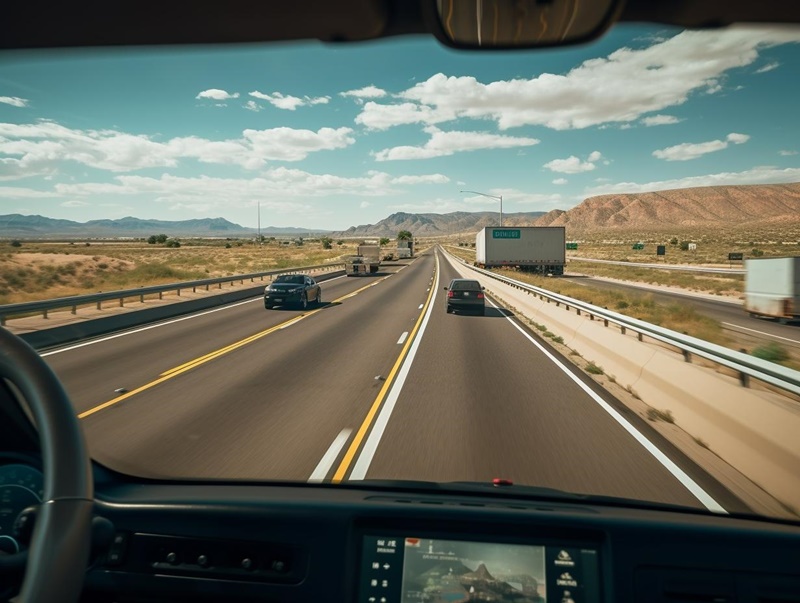

Traffic and incident information on US-192 comes from multiple sources and reflects conditions shaped by tourism volume, commercial access points, local road activity, and time-based surges. On weekends and holidays, those factors combine more intensely, which causes traffic to build faster, spread farther, and change more often than many drivers expect. Understanding how and why these shifts occur helps drivers interpret what they see on the roadway and in traffic alerts with more accuracy.
Below is a listicle-style breakdown of the most common weekend and holiday traffic behavior patterns on US-192 in Central Florida. Each section explains what drivers usually experience, why it happens, and how traffic information is gathered and displayed during high-volume periods.
Why Does Weekend Traffic on US-192 Follow a Different Rhythm than Weekdays
Weekend traffic on US-192 does not follow commuter-based patterns. Instead of predictable morning and evening peaks, volume rises and falls in waves driven by leisure schedules. Hotel check-ins, attraction opening hours, dining reservations, and evening entertainment all influence when vehicles enter and exit the corridor.
As a result, congestion often begins late in the morning and extends well into the evening. Midday traffic may feel heavier than a weekday rush hour, even though fewer drivers are commuting to work. Traffic systems record slower speeds across longer time windows, which can make weekend congestion appear more severe or more widespread than it actually is at any single moment.
Another key difference involves trip length. Weekend drivers often make shorter, more frequent trips between hotels, shopping areas, and attractions. These repeated starts and stops increase turning demand and signal pressure, which reduces throughput even when lanes remain open. Traffic reports usually reflect the slowdown, but cannot show the underlying trip patterns causing it.
How Holiday Traffic in the Orlando Area Amplifies Congestion on US-192
Holiday traffic in the Orlando area increases both vehicle volume and unpredictability. Travelers arrive earlier in the day, stay on the road longer, and drive at times that normally see lighter demand. This shifts congestion into hours when drivers might not expect delays.
Holiday traffic also introduces more unfamiliar drivers. Rental vehicles, rideshare services, and visitors relying on navigation apps contribute to sudden lane changes and hesitation near access points. These behaviors interrupt traffic flow and create backups that form quickly and dissolve just as fast.
Traffic alerts struggle to keep pace with these rapid changes. Speed-based systems average conditions over short intervals, which means brief spikes in congestion may not appear immediately. In other cases, alerts persist after traffic improves, leading drivers to question their accuracy. During holidays, these mismatches become more common because conditions change minute by minute rather than gradually.
What Tourist Weekend Congestion Looks Like on the Roadway
Tourist weekend congestion on US-192 rarely looks like a single bottleneck. Instead, it appears as rolling slowdowns that move between intersections and commercial clusters. Drivers often see traffic flowing normally for several blocks, then compress suddenly without a visible cause.
Turning vehicles play a major role. Cars slowing to enter hotels, restaurants, or parking lots reduce speed in the right lane first. Other drivers merge left to avoid stopping, which spreads the slowdown across lanes. This chain reaction continues even after the turning vehicle clears the roadway.
Traffic maps show these conditions as long stretches of reduced speed rather than isolated trouble spots. Without context, drivers may assume a crash or lane closure exists ahead. In reality, the delay reflects continuous friction from access points rather than an incident that traffic systems can label clearly.
Why congestion feels uneven
Tourist activity concentrates in clusters, which causes traffic to surge and relax repeatedly instead of staying consistently slow.
How Seasonal Traffic Patterns Reshape US-192 Throughout the Year
Seasonal traffic patterns strongly influence how US-192 behaves during weekends and holidays. School breaks, summer travel months, and major holidays extend peak conditions across more hours and more segments of the corridor.
During peak seasons, intersections and turn lanes reach capacity more often. Queues spill beyond designated turn pockets and block through lanes, even when signals function normally. These backups may clear between cycles, only to rebuild immediately as demand continues.
Traffic systems capture the resulting speed reductions but cannot explain why delays persist without incidents. Drivers unfamiliar with seasonal patterns may misinterpret these conditions as abnormal when they actually represent expected demand levels for that time of year.
Seasonal patterns also affect reporting volume. More drivers submit app-based reports, which can amplify perceived congestion. At the same time, official confirmation may lag if no crash or closure exists, creating gaps between user reports and verified updates.
Why Traffic Alerts Lag or Disagree During Peak Periods
Traffic information for US-192 comes from multiple data streams, including roadway sensors, cameras, navigation apps, and official reports. Each source updates on a different schedule and measures different aspects of traffic behavior.
On weekends and holidays, conditions change faster than these systems can synchronize. A slowdown may develop and resolve within minutes, never triggering an alert. In other cases, a brief disruption lowers average speeds enough to activate a warning that remains after traffic recovers.
Drivers may also see disagreements between sources. One app may show heavy congestion while another shows moderate flow. This does not mean the data is wrong; it reflects how each system samples speed and volume at different points along the corridor.
For verified incidents, lane closures, and official roadway updates in Central Florida, drivers can consult the Florida Department of Transportation’s traffic information system, which aggregates confirmed reports across state-managed roads.
How Commercial Access Density Shapes Weekend Delays on US-192
US-192 serves a dense concentration of hotels, restaurants, retail centers, and service businesses. On weekends, these access points generate constant turning movements that interrupt traffic flow between intersections.
Unlike freeway congestion, these delays do not come from reduced lane availability. Instead, they stem from repeated deceleration and merging. A single vehicle waiting to turn left can slow multiple lanes, even when signals remain green.
Traffic systems detect the speed drop but cannot attribute it to driveway activity. This explains why delays often appear persistent and location-specific without any reported obstruction. Drivers may travel several miles experiencing intermittent slowdown, even though no single point fully blocks traffic.
Why are right lanes slower more often
Right lanes absorb most turning traffic, which forces following vehicles to brake and merge left, spreading congestion.
How drivers can interpret weekend and holiday traffic reports more accurately
During peak visitor periods, traffic reports work best as general indicators rather than precise predictions. A reported slowdown usually signals ongoing friction from volume and access points, not a single event that will clear quickly.
Drivers benefit from comparing sources. Navigation apps provide speed trends, while official systems confirm incidents and closures. Together, they offer context that neither source provides alone.
Understanding common weekend and holiday patterns also helps drivers set expectations. Slowdowns that appear suddenly and resolve without warning are normal on US-192 during high-demand periods. Recognizing this reduces frustration and improves decision-making.
What do These Patterns Mean for Drivers Traveling on US-192
Weekend and holiday traffic on US-192 reflects a mix of tourism-driven demand, seasonal surges, and heavy commercial access. Congestion builds earlier, lasts longer, and changes faster than on weekdays. Traffic alerts capture pieces of this activity but cannot always explain the cause or timing of delays.
Drivers who understand these patterns can better interpret roadway conditions and traffic information as they travel through the Orlando–Kissimmee area. Checking multiple verified sources and anticipating variability remain the most reliable ways to assess real-time conditions along US-192 during busy travel periods. For more information about weekend and holiday traffic on US-192, get in touch with us by filling out our contact form on our website.
Accidents currently listed on us192accidents.com
12 accidents in 2022