US-192
28.304341,
-81.4008011
Why Minor Disruptions Cause Major Delays on US-192
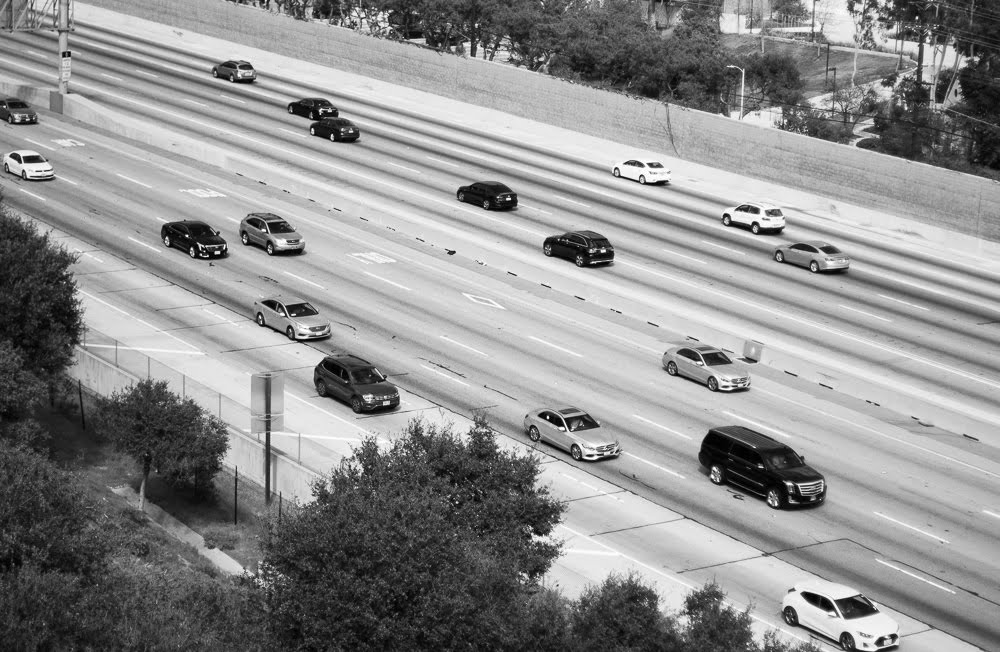

Traffic and incident information on US-192 comes from multiple sources and reflects conditions shaped by tourism volume, dense commercial access points, local road activity, and time-based traffic surges. Because this corridor already operates near capacity during many parts of the day, even small disruptions can trigger outsized delays. Drivers often see traffic slow dramatically without a visible cause, while traffic alerts struggle to explain what actually changed.
Below is a listicle-style explanation of why minor disruptions on US-192 frequently escalate into major delays. Each section focuses on one traffic behavior pattern or reporting factor that affects how conditions develop and how information appears in real time.
Why US-192 Functions as a Traffic Sensitivity Corridor
US-192 behaves like a traffic sensitivity corridor, meaning small changes in speed or spacing can affect the entire roadway. High baseline volume leaves little room for error, so traffic flow depends on steady movement rather than excess capacity.
When traffic runs close to saturation, even brief braking reduces throughput. One driver slowing for a turn, signal, or merge forces others to react. That reaction multiplies as it moves backward through traffic, creating congestion without any lane blockage. Traffic systems record the slowdown but cannot show how close the corridor was to its limit before the disruption occurred.
How Minor Disruptions on US-192 Trigger Ripple Effects
Minor disruptions on US-192 often start with routine actions like a vehicle pausing to turn, a driver hesitating at a green light, or a delivery truck entering traffic. These actions appear insignificant in isolation but interrupt the precise spacing needed to keep vehicles moving.
Once spacing collapses, drivers brake harder than necessary to protect the following distance. That braking spreads backward as a traffic ripple effect. Vehicles far from the original disruption may slow to a crawl even though nothing blocks their lane. Traffic alerts usually describe this as congestion without identifying a cause because the source has already cleared.
Why ripple effects persist after the disruption clears
Traffic needs time and space to rebuild smooth spacing, which remains limited on high-volume corridors.
Why Do Small Incidents Create Major Delays Without Closing Lanes
Small incidents cause major delays on US-192 even when no lanes are closed. A disabled vehicle on the shoulder, a minor fender-bender pulled off the road, or a brief police stop can distract drivers enough to reduce speed.
Drivers are often slow to observe activity, which reduces capacity across all lanes. This behavior creates congestion escalation without physical obstruction. Traffic cameras and sensors detect slower speeds but may not classify the situation as an incident. As a result, drivers experience heavy delays while alerts show only general congestion.
Because US-192 includes frequent intersections and access points, any slowdown near a signal compounds the delay. Queues build faster than signals can clear, which extends congestion well beyond the original location.
How Signal Spacing Amplifies Congestion Escalation
Traffic signals on US-192 sit close together to serve dense commercial development. Under normal conditions, signals rely on consistent arrival patterns to clear queues efficiently. Minor disruptions break that rhythm.
When vehicles arrive in uneven clusters due to braking or merging, signals release fewer cars per cycle. Queues then spill into upstream intersections and block cross movements. Even a brief slowdown can disrupt several signal cycles before traffic stabilizes.
Traffic systems report this as area-wide delay rather than signal failure. Drivers may encounter repeated green lights that still do not allow movement. The disruption may have occurred blocks away, but its effects linger due to signal timing constraints.
How Turning Movements Magnify Small Disruptions
Turning vehicles represent one of the most common sources of delay escalation on US-192. A single vehicle slowing to enter a driveway reduces speed in the right lane. Nearby drivers merge left to avoid stopping, which shifts the disruption across lanes.
Left-turning vehicles waiting for gaps create similar effects. Through traffic slows to accommodate turning demand, even when turn lanes exist. This interaction reduces overall speed and increases variability, which worsens ripple effects.
Traffic reports reflect reduced speeds but cannot identify turning behavior as the cause. Drivers may assume an incident exists ahead when the slowdown reflects routine access movements intensified by high volume.
Why right lanes slow first
Right lanes absorb most turning traffic, making them more vulnerable to speed drops that spread outward.
How Driver Behavior Intensifies Traffic Ripple Effects
Driver behavior plays a critical role in how small disruptions grow into major delays. On US-192, many drivers operate in unfamiliar surroundings. Visitors read signs, search for entrances, and follow navigation prompts, which increases hesitation.
Hesitation forces trailing drivers to brake earlier and more often. Each brake tap shortens available roadway space. As spacing shrinks, traffic becomes unstable and prone to stop-and-go movement. This sensitivity explains why congestion appears suddenly and clears unpredictably.
Traffic data systems measure outcomes like speed and volume, but cannot capture hesitation or decision-making. Drivers see the result without understanding the cause, which often leads to confusion about why traffic worsened so quickly.
Why Traffic Alerts Lag behind Real-World Changes
Traffic alerts lag because data collection relies on sampling rather than continuous observation. Sensors, cameras, and user reports update at intervals. During rapid congestion escalation, conditions may change faster than systems can reflect.
A minor disruption may cause speeds to drop briefly and then recover. If sensors capture the slowdown but miss the recovery, alerts persist longer than necessary. In other cases, traffic recovers before alerts activate at all.
Disagreements between apps also occur because each system samples different points along US-192. One segment may recover while another remains slow. Drivers should treat alerts as indicators rather than precise explanations, especially during peak periods.
For verified incidents, lane closures, and official roadway updates in Central Florida, drivers can consult the Florida Department of Transportation’s traffic information system, which aggregates confirmed reports across state-managed roads.
How Congestion Spreads Beyond the Original Disruption
Congestion escalation on US-192 rarely stays confined to one location. Once queues form, they block upstream intersections, driveways, and turn lanes. This blockage creates secondary disruptions unrelated to the original event.
As congestion spreads, drivers encounter delays miles away from the source. Traffic systems display widespread slowdown without identifying where the disruption began. By the time drivers reach the area, the original issue may no longer exist.
This spread explains why traffic sometimes improves suddenly. Once queues dissolve and signals regain rhythm, flow recovers quickly. Without understanding this pattern, drivers may misinterpret rapid changes as reporting errors.
FAQs
- Do small slowdowns always mean a crash occurred?
No. Most delays result from braking, turning movements, and signal interactions rather than crashes. - Why does traffic worsen so quickly?
High baseline volume leaves little room for disruption, which allows ripple effects to spread rapidly. - Can traffic recover without warning
Yes. Once spacing stabilizes and queues clear, flow can improve within minutes.
Why Recognizing These Patterns Helps Drivers on US-192
US-192 responds sharply to even minor disruptions because it operates as a traffic-sensitivity corridor with heavy access demand and limited spacing. Small incidents, turning vehicles, signal interactions, and driver hesitation combine to create ripple effects that escalate into major delays. Traffic alerts capture speed changes but cannot always explain the source or duration of congestion.
Drivers who understand how these patterns develop can better interpret what they see on the road and in traffic reports. Checking multiple verified sources and recognizing the limits of real-time data remain the most reliable ways to assess conditions along US-192 in Central Florida. For more information about major delays on US-192, get in touch with us by filling out our contact form on our website.
Accidents currently listed on us192accidents.com
12 accidents in 2022