
US-192
28.304341,
-81.4008011
How Traffic Congestion Builds Along the US-192 Tourist Corridor
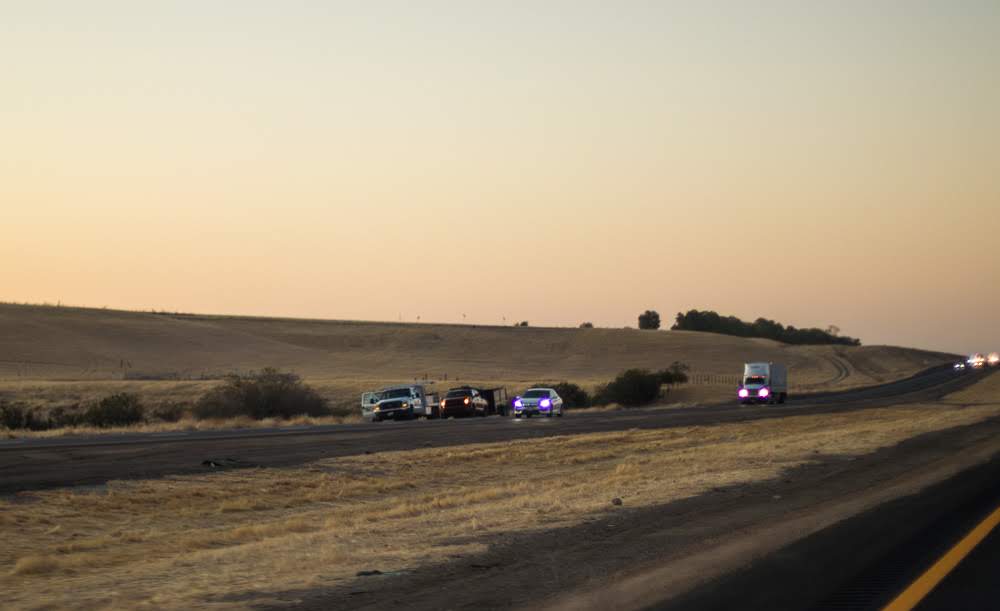

Traffic and incident information on US-192 comes from several reporting systems and is shaped by tourism volume, dense commercial access points, local road restrictions, and predictable time-based surges. Conditions along this corridor can change within minutes, even without a crash. Drivers often see slowdowns appear suddenly, then clear just as quickly. Understanding how congestion builds along US-192 helps drivers interpret traffic alerts and recognize what they are experiencing on the roadway.
The sections below explain the main traffic patterns, reporting factors, and corridor characteristics that influence real-time conditions along this busy stretch of Central Florida.
1. Daily Tourism Volume Creates a Constant Baseline of Congestion

US-192 traffic congestion exists even outside peak travel seasons. The corridor serves hotels, attractions, restaurants, and retail areas that operate throughout the day. Vehicles enter and exit the roadway continuously, creating steady friction in traffic flow.
Because this baseline congestion never fully clears, traffic systems often detect slow speeds without a specific incident. Drivers may see alerts even when lanes remain open and moving.
2. Theme Park Arrival and Departure Surges Compress Traffic Quickly
Tourist corridor traffic along US-192 spikes during predictable arrival and departure windows. Morning check-ins and afternoon park arrivals push traffic toward resort entrances. Evening departures reverse the flow within short periods.
These surges overwhelm intersections and turn lanes. Even minor hesitation can cause backups that extend across multiple signals before clearing.
Traffic volume increases faster than signals can adjust. Queues form within minutes, then dissolve once demand eases. This pattern explains why traffic maps often show abrupt color changes.
3. Commercial Driveways Interrupt Traffic Flow Repeatedly
US-192 includes frequent driveways serving hotels, restaurants, and shopping centers. Vehicles are slow to turn or stop while waiting for gaps in traffic. These movements ripple backward through nearby lanes.
Traffic reporting systems detect these speed drops but cannot identify the cause. Drivers may assume an accident occurred when congestion reflects access activity.
4. Closely Spaced Traffic Signals Limit Recovery Time
Traffic signals along US-192 sit close together, especially near Kissimmee and resort areas. When one intersection backs up, the next often follows before traffic clears.
This signal spacing prevents congestion from dissipating quickly. Drivers may encounter repeated stops even after passing the original slowdown.
Signals reset traffic flow repeatedly. High volume leaves little time for queues to shrink. Congestion spreads laterally across the corridor.
5. Shuttle Buses and Rideshare Stops Create Short-Term Bottlenecks
Shuttle buses and rideshare vehicles operate constantly along the corridor. They slow, pull over, or reenter traffic with little warning. Following drivers brake suddenly, compressing traffic behind them.
These disruptions rarely appear in accident reports. Traffic systems still flag reduced speeds, adding to perceived congestion.
6. Navigation App Behavior Alters Driver Decisions
Navigation apps redirect drivers toward US-192 during congestion on nearby highways. This influx adds volume to an already busy roadway. Drivers unfamiliar with the area hesitate more often.
The added traffic worsens Central Florida congestion during peak periods. Apps may then reroute again, creating fluctuating patterns.
Alternative routes attract too many vehicles. The corridor absorbs overflow until speeds drop again. This cycle repeats throughout the day.
7. Construction Zones Reduce Capacity Without Full Closures
Ongoing road work along US-192 reduces lane capacity even when all lanes remain open. Narrowed lanes, shifted traffic, and temporary barriers slow vehicles.
Construction notices appear on official systems, but actual delays vary. Traffic buildup depends on driver behavior more than posted restrictions. For verified construction and lane information, drivers can reference the Florida 511 system at https://fl511.com.
8. Weather Triggers Congestion Without Incidents
Rainstorms, common in Central Florida, reduce visibility and traction. Drivers slow down simultaneously, causing widespread speed reductions. Traffic systems detect congestion even when no crash occurs.
These weather-related slowdowns often resemble accident patterns on traffic maps. Conditions may clear as soon as rain intensity changes.
Systems track speed, not cause. Rain produces congestion signals identical to incidents. Drivers should factor weather into their interpretation.
9. Tourist Driving Patterns Increase Stop-and-Go Conditions
Visitors often brake suddenly to locate entrances, signs, or destinations. Hesitation near turn lanes disrupts following traffic. These behaviors repeat throughout the corridor.
Because this pattern involves no collision, no report appears. The traffic buildup that Kissimmee drivers experience often reflects unfamiliar driving rather than incidents.
10. Incident Reports Lag Behind Real Conditions
Accident reports require confirmation before posting. Minor incidents may clear before appearing on traffic systems. In other cases, alerts remain after lanes reopen.
This delay causes a mismatch between what drivers see and what alerts display. Understanding this lag reduces confusion.
Verification prevents premature updates. Removal takes longer than detection. Checking multiple sources improves accuracy.
11. Law Enforcement Activity Temporarily Restricts Flow
Traffic stops, roadside assistance, or investigations may slow lanes briefly. Drivers rubberneck or change lanes, amplifying congestion.
These activities often resolve quickly and never reach public reports. Traffic systems still detect speed drops.
12. Time-of-Day Patterns Shape Traffic Reliability
US-192 behaves differently by hour. Midday shopping traffic differs from evening departures. Weekend patterns differ from weekdays.
Drivers who recognize these cycles interpret alerts more accurately. Context matters as much as data.
13. Why Congestion Clears as Quickly as It Forms
US-192 congestion often reflects volume, not blockage. Once demand eases or traffic cycles reset, flow improves rapidly. Drivers may pass through heavy congestion followed by open lanes minutes later.
This volatility explains why conditions seem unpredictable. The corridor responds immediately to demand changes.
US-192 traffic congestion results from layered factors that include tourism volume, commercial access, signal spacing, weather, and reporting limitations. Conditions change quickly, often without incidents. Drivers benefit from understanding how congestion builds and from checking multiple verified sources before concluding. Awareness of corridor patterns supports calmer decisions and safer travel through the US-192 tourist corridor. For more information about traffic congestion along the US-192 tourist corridor, get in touch with us by filling out our contact form on our website.
Accidents currently listed on us192accidents.com
12 accidents in 2022