US-192
28.304341,
-81.4008011
What Traffic Alerts on US-192 Do Not Always Show
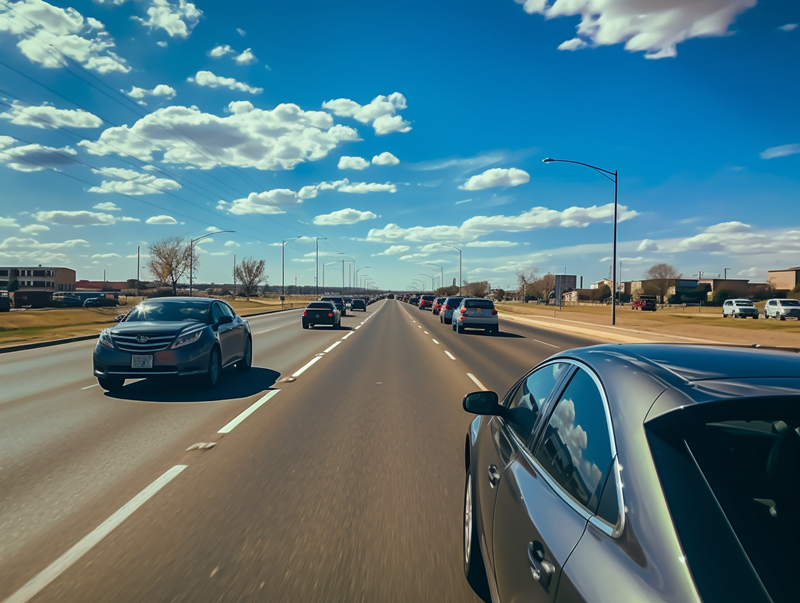

Traffic and incident information on US-192 comes from multiple sources and reflects tourism volume, dense commercial access points, local road activity, and time-based traffic surges. Public agencies, navigation apps, media outlets, and user reports all contribute to what drivers see on their screens. Each system gathers and processes data differently.
Because US-192 runs through Kissimmee, Celebration, Four Corners, and the broader Orlando tourism corridor, conditions can change quickly. Drivers who rely on a single alert system may not see the full picture. The sections below explain what traffic alerts on US-192 do not always show and why gaps, delays, or inconsistencies occur.
Speed-Based Detection Does Not Explain the Cause of Slowdowns
Most navigation apps rely on speed data, not direct observation. When average vehicle speeds drop below a normal range for that segment, the system flags congestion.
This method identifies the result of a slowdown, not the cause. A red or orange segment on a map reflects reduced speed, but it does not confirm whether a crash, signal cycle, pedestrian crossing, or turning vehicle caused the delay.
On US-192, frequent traffic signals and hotel entrances produce regular speed fluctuations. Apps may classify these patterns as congestion even when traffic flows as designed. Drivers may see warnings without any visible incident ahead.
Why does the map stay red after traffic clears?
Traffic systems average speeds over short intervals. If speeds remain low for several minutes, the system continues to display congestion until newer, faster data replaces the older readings. This creates short alert delays, even after vehicles begin moving normally.
Minor Disruptions Can Appear as Major Delays
US-192 operates with closely spaced signals and heavy turning movement into commercial properties. A single vehicle slowing to enter a resort driveway can trigger a chain reaction during peak hours.
Digital platforms detect the sustained drop in speed and mark the area as congested. They do not distinguish between a serious crash and a routine turning movement amplified by heavy volume.
When traffic runs near capacity, small interruptions expand quickly. What began as one slow maneuver may affect multiple signal cycles. Traffic alerts may reflect the ripple effect but not the original trigger.
This limitation explains why drivers sometimes encounter heavy map coloring without visible emergency vehicles or lane closures.
User-Reported Incidents Depend on Participation
Many real-time navigation alerts rely on crowd-sourced reporting. Drivers can submit reports about crashes, disabled vehicles, debris, or hazards. Other users confirm or dismiss the report.
This system improves coverage but introduces variability. If drivers do not report an event, the system may only detect reduced speeds without identifying the reason. In fast-moving traffic, users may not have time to submit or verify reports.
User-reported incidents can also expire automatically after a set period. If traffic slows again later for a related issue, the original alert may no longer appear. This contributes to incomplete traffic reports during evolving situations.
Drivers should treat user alerts as indicators rather than verified summaries of roadway conditions.
Official Feeds May Not Update Instantly
State transportation agencies monitor major roadways through cameras, sensors, and field reports. However, official confirmation takes time. Authorities must verify an incident before publishing details.
On US-192, where minor collisions and vehicle stalls occur regularly, not every disruption triggers an immediate statewide alert. Some events resolve before an official update appears.
The Florida Department of Transportation provides verified traffic information through its 511 system. Drivers can review statewide roadway updates directly through the official portal at the Florida 511 Traffic Information System. This platform reflects confirmed agency data, but it may not capture very short-term or low-impact disruptions.
Official updates prioritize accuracy over speed. That process reduces misinformation but can create short traffic data gaps.
Are all crashes listed on state systems?
No. Minor collisions, especially those moved to a shoulder quickly, may not appear in statewide feeds. Alerts generally focus on events that affect lanes, travel flow, or safety over a sustained period.
Construction Activity and Temporary Closures May Lag Behind
US-192 frequently experiences lane adjustments, signal work, and access modifications. Construction projects often unfold in phases and may change daily.
Navigation apps may rely on scheduled construction data, but real-world conditions sometimes shift faster than digital updates. Crews may close a turn lane temporarily, adjust barriers, or modify traffic control during the day.
If a closure occurs outside scheduled parameters, drivers may not see an immediate update. Instead, they encounter slower speeds first, followed by delayed digital adjustments.
Temporary maintenance work, such as utility access or pavement repair, may not appear in broad public alerts at all. Drivers often detect these changes only after arriving at the affected segment.
Tourism Surges Distort Predictive Travel Times
US-192 traffic patterns differ from typical commuter corridors. Visitor-driven traffic spikes occur around theme park openings, resort check-in times, holiday weekends, and special events.
Navigation systems rely partly on historical averages. When real-time volume exceeds expected patterns, predictive models may underestimate delay at first. Travel times can increase rapidly within minutes as new data enters the system.
During peak tourism windows, traffic builds unevenly. Large groups of vehicles may depart entertainment venues simultaneously. Apps respond by recalculating projected arrival times, which creates frequent adjustments while drivers remain on the same roadway.
These prediction shifts do not indicate a malfunction. They reflect the limits of modeling sudden, high-volume changes.
Why do arrival times keep changing?
Apps continuously update estimates based on the most recent speed readings. When traffic flow fluctuates near major intersections, projected arrival times adjust to match current movement.
Side Streets and Alternate Routes May Lack Full Context
When congestion builds on US-192, navigation apps often suggest alternate local routes. These suggestions compare estimated travel time, not road suitability.
Local streets in Kissimmee or Four Corners may not accommodate sudden increases in through traffic. They may include school zones, residential signals, or narrow lanes not designed for tourist surges.
Alert systems do not always account for local familiarity, pedestrian activity, or neighborhood traffic management. A suggested detour may save a few minutes according to speed data, but introduce unfamiliar intersections or additional stop points.
Drivers should evaluate alternate routes with situational awareness rather than relying solely on estimated time savings.
Differences Between Platforms Create Inconsistent Displays
Not all traffic systems use the same data sources. One platform may prioritize crowd-sourced speed data, while another blends agency feeds with proprietary modeling.
Sampling points also differ. If one service measures congestion near a busy intersection and another samples mid-block, their maps may show different colors for the same stretch of US-192.
Refresh intervals vary as well. Some apps update quickly in response to speed drops, while others smooth fluctuations to avoid constant changes. These methodological differences explain why drivers sometimes see conflicting conditions across platforms.
Using more than one verified source can reduce uncertainty during heavy travel periods.
What Drivers Should Remember About Traffic Alerts on US-192
Traffic alerts and limitations on US-192 reflect how digital systems gather and interpret information. Speed-based detection, user participation, official verification processes, and tourism-driven volume all shape what appears on a screen.
Missing traffic information does not always indicate a system failure. It often reflects short-lived disruptions, rapid recovery, or verification timelines. Incomplete traffic reports and alert delays occur because digital tools measure outcomes rather than causes.
Drivers who understand these dynamics can interpret map colors and warnings more accurately. Checking both navigation apps and official transportation sources provides a broader context. Reviewing conditions before departure and monitoring updates during travel can help drivers adjust expectations when conditions change quickly.
US-192 remains one of Central Florida’s busiest corridors. Traffic systems offer useful guidance, but they do not present a complete narrative of roadway activity. Drivers who recognize traffic data gaps and platform differences place themselves in a better position to respond calmly and make informed travel decisions along this heavily traveled route.
For more information about traffic alerts on US-192, get in touch with us by filling out our contact form on our website.
Accidents currently listed on us192accidents.com
12 accidents in 2022